

Introduction
The creator economy is going through one of its biggest transformations ever. What started as a human-influencer-dominant space has gradually shifted to a hybrid world where AI-generated creators are rapidly on the rise. From virtual Instagram models to AI-generated YouTube hosts and TikTok storytellers, the line between human and machine creativity is blurring faster than most brands expected. The question of influencers versus AI creators—who will eventually win? —is one that, as marketers, advertisers, and brands look ahead, becomes increasingly urgent.
The reality is never black-and-white: both come with their merits, limitations, and exclusive value depending on the purpose of a campaign. Understanding how each side works is valuable for anyone in digital marketing, brand strategy, or content production.
Why Human Influencers Still Dominate in Many Areas
For all of the efficiency and speed AI offers, human influencers still possess something algorithms cannot replicate: real human experience. It is because followers relate better to real stories-struggles, emotions, failures, and relatable moments-shared by the creators.
Human influencers also possess community power, something AI really struggles to achieve: they have real-time conversations, respond to comments, and show up to key life events and trending moments. Their audiences take years to build through consistent interactions and building trust—something an AI character cannot fully replicate.
Human influencers build trust through lived experiences such as
- Trying out products in real life
- Giving personal views or opinions
- Connecting emotionally with their audience
- Conveying empathy, humor or even vulnerability
Authenticity remains the biggest currency in the creator economy. Individuals still really care about who’s behind the content-what that person stands for and whether their endorsements are authentic or not. The best AI model cannot replicate the depth of human imperfection, personality, and spontaneity.
Content Quality: AI Speed vs. Human Depth
The big difference between influencers and AI creators, however, is how they actually create the content. AI creators are fast and can scale to create a high volume of polished content in minimal time. They are ideal to be used for product demos, explainer videos, branded animations, and multi-language campaigns.
The human influencers provide depth, nuance, and creativity. They interpret the trends, improvise, and show emotions in a way that truly feels lived-in. Their content may be slower to produce, but it often carries more cultural relevance.
Organic trending topics are also inspired by human creators. Viral dances, challenges, and memes surface from humans, not algorithms. They know cultural context and humor and real-time social sentiment. These are the subtle elements that give life to content.
Trust and Authenticity: The Deciding Factor
One of the biggest divides in the influencer versus AI creator debate is that of trust. Consumers are more aware than ever of synthetic content, and though many appreciate the novelty of AI creators, they don’t always trust them in matters requiring judgment or experience.
Audiences still prefer to hear a human voice when it comes to product reviews, healthcare information, financial advice, and lifestyle guidance. They want someone who has used the product, lived the lifestyle, or experienced the outcome.
AI creators really excel in situations where the personality is secondary to aesthetic or message: fashion showcases, educational snippets, or brand awareness videos.

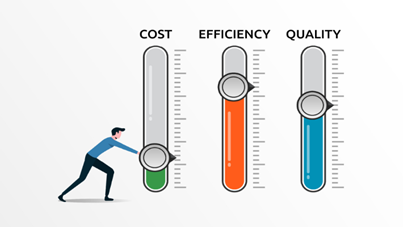
Cost, Control, and Efficiency: Where AI Has the Edge
From a business perspective, the creators of AI are incredibly attractive: They require no travel budget, no accommodation, no physical set, and no reshoots. Brands have full control over the script, the visuals, and the brand alignment.
An AI creator also works non-stop. They can create content for various markets at the same time, make adjustments in real-time to data insights, and scale personalization of messaging. This provides unparalleled flexibility for brands that rely less on human reach.
With human influencers, though, there are likely to be more negotiations, contracts, creative disagreements, or scheduling delays. They may want creative freedom, which brands sometimes find difficult to manage. And if a human influencer gets involved in a controversy, it can damage a brand’s reputation instantly.
From a purely logistical standpoint, AI makers are more predictable, cost-effective, and easier to manage. For brands with a limited budget or a large amount of content, it becomes an unbeatable choice.
Engagement and Emotional Connection: Human Advantage
While AI creators consistently drive engagement, the level of that engagement is typically much lower than it is with human influencers. Sure, AI can respond to comments, even holding conversations, but audiences know the responses are pre-programmed. The emotional bond is limited.
Human influencers, however, create a feeling of belonging. Their followers feel like a part of the community. They can share life updates, struggles, and wins that build a long-term relationship with their audience.
This bond results in deeper conversions. When an influencer recommends a product, followers often take it seriously because they believe the influencer is speaking from experience.
AI creators may be replacing some content functions, but they cannot replace human connection, at least not yet.

So, Who Wins?
The answer is not AI or humans; it is whichever option aligns with your brand strategy.
If you need fast, scalable, low-cost content:
AI creators win.
If you need trust, emotional connection, and cultural impact:
Human influencers win.
After all, the winner is the creator who brings the result your brand needs at that particular moment.
The smartest marketers won’t take sides. They will develop plans that capture the best of both worlds: human creativity and AI’s efficiency. In this collaborative future, it’s not a fight between influencers and AI creators, but a partnership that extends the boundaries of what content can be.